News
News Center
 English▼
English
English▼
English
 中文
中文
 Русский
 Deutsch
 Français
 Italiano
 Español
 ไทย
ไทย
 Indonesia
 Tiếng Việt
 日本語
日本語
 한국어
한국어
 English▼
English
中文
Русский
Deutsch
Français
Italiano
Español
ไทย
Indonesia
Tiếng Việt
日本語
한국어
English▼
English
中文
Русский
Deutsch
Français
Italiano
Español
ไทย
Indonesia
Tiếng Việt
日本語
한국어

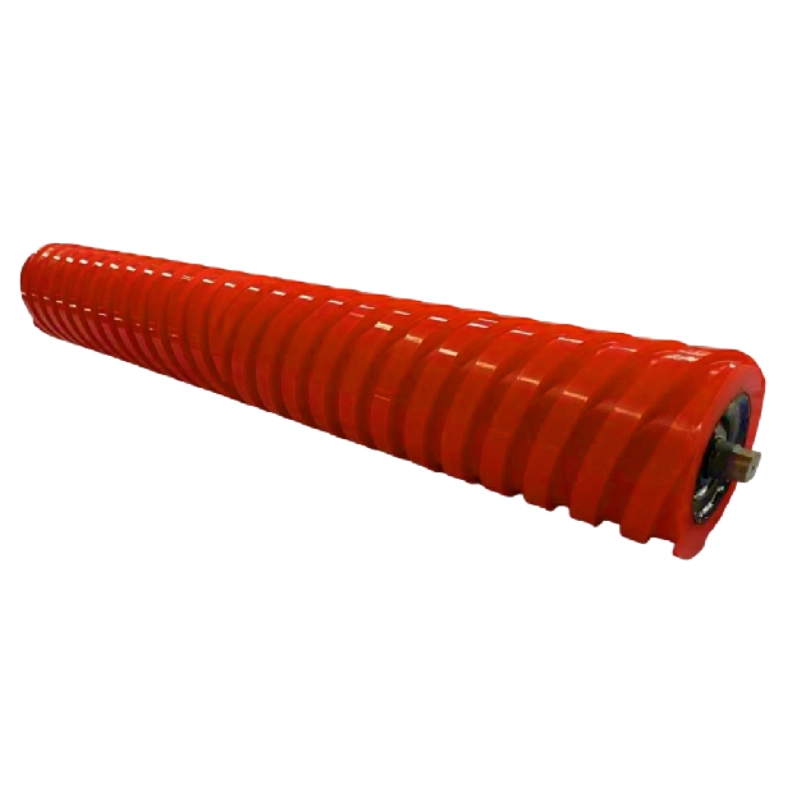
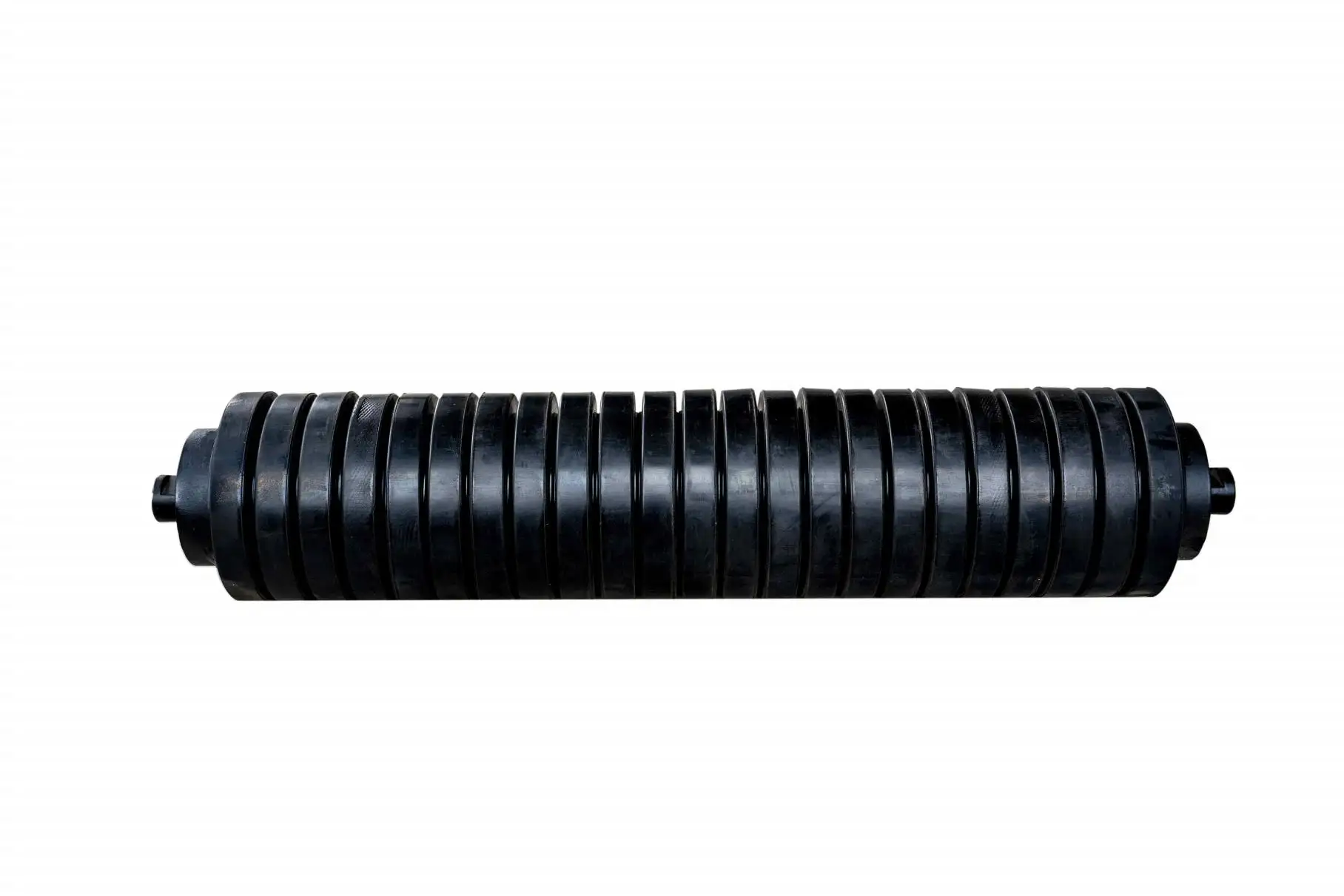
In the daily operation of Conveyor Belt, the receiving section (discharge point) is often the hardest-hit area for equipment damage. When large, high-density materials fall directly from a height onto Conveyor Belt, a tremendous instantaneous impact force is generated. Traditional treatment methods involve densely arranged Impact Idler, but this line contact support method has inherent physical drawbacks: material impact easily causes local collapse of the belt in the gap between Idler, which not only easily causes longitudinal tearing of the belt but also easily leads to material splashing and dust leakage.
![Saying Goodbye to Belt Tearing: How the New Generation [[G85] Reshapes Safety Protection Standards for the [[G91] Machine Receiving Section](/static/picture/缓冲床.webp)
缓冲床
![Saying Goodbye to Belt Tearing: How the New Generation [[G85] Reshapes Safety Protection Standards for the [[G91] Machine Receiving Section](/static/picture/缓冲床1.webp)
缓冲床1
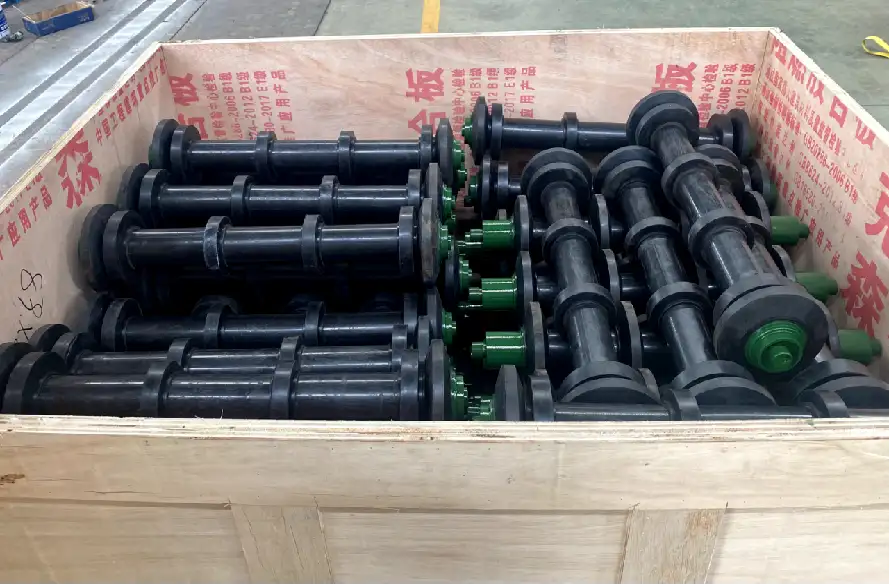
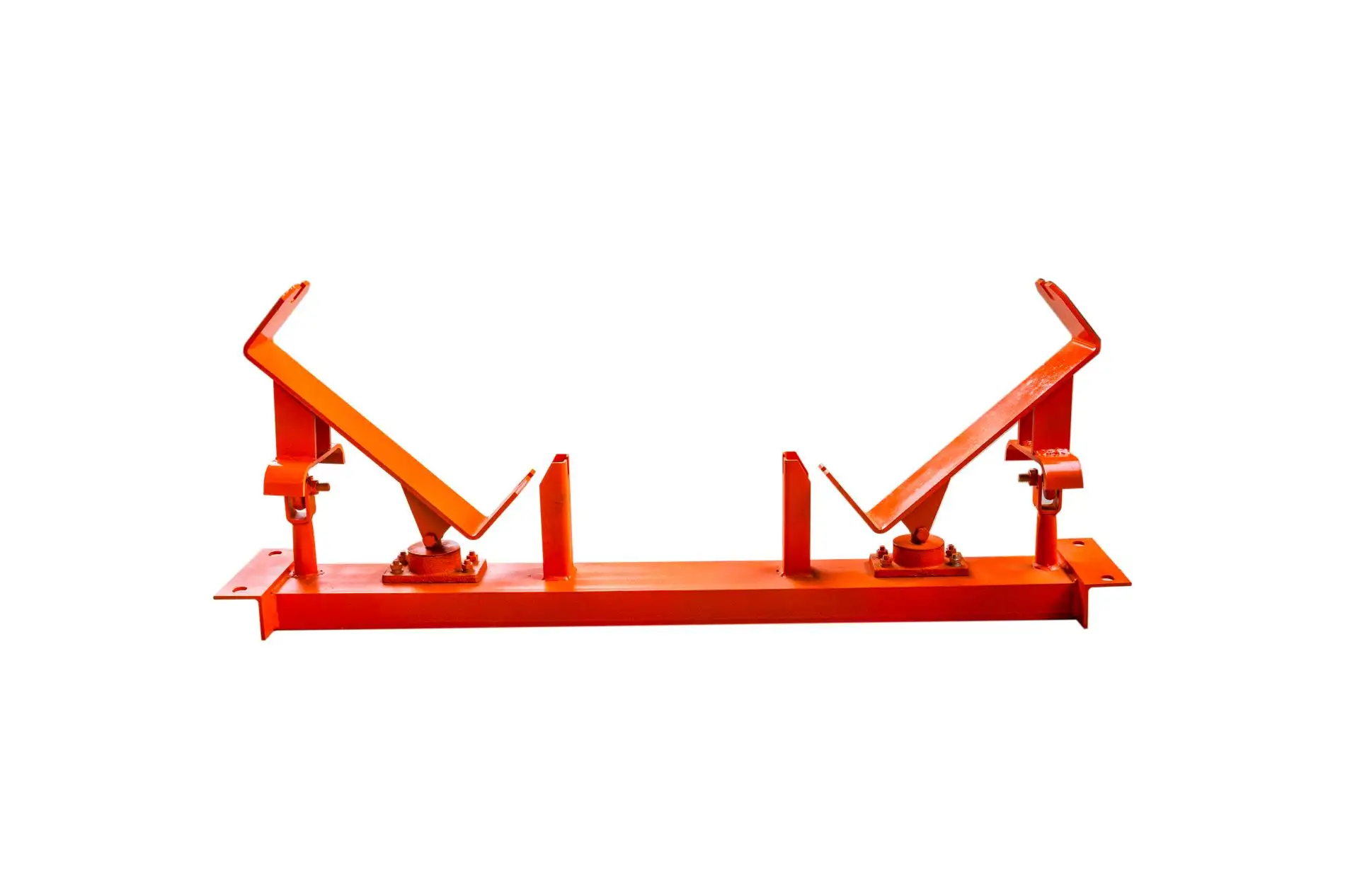
The emergence of the new generation Buffer Bed has completely revolutionized the protection concept of the receiving section. It is fixed to a rigid bracket by multiple high-performance buffer strips, forming a "surface support" structure under the belt that perfectly matches the belt groove angle. When an impact occurs, Buffer Bed can evenly distribute the massive instantaneous load across the entire support surface, thereby mitigating the risk of belt being punctured by sharp materials.
Xinanneng Conveyor Equipment Equipment Co., Ltd. produces Buffer Bed that takes this protection concept to the extreme. Its core component—the cushioning strip—is made with a special high-elasticity rubber layer inside, which can quickly compress and absorb impact energy like a sponge; The surface layer that contacts the belt directly is made of ultra-high molecular weight polyethylene (UHMWPE), which has excellent self-lubricating properties. This material has an extremely low coefficient of friction, which not only ensures smooth belt operation without significantly increasing system resistance, but also effectively reduces wear on the belt's bottom surface.
![Saying Goodbye to Belt Tearing: How the New Generation [[G85] Reshapes Safety Protection Standards for the [[G91] Machine Receiving Section](/static/picture/缓冲床2.webp)
缓冲床2
In addition to protecting the belt, the full-face support structure also brings another significant environmental benefit: it keeps the belt straight in the receiving area, greatly improving the sealing effect of the overflow skirt in the feed trough, fundamentally reducing dust and material scattering at the transfer point, and improving the on-site working environment.
With the continuous improvement of equipment safety, continuous operation capability, and environmental protection requirements in industries such as mining and ports, the simple, maintenance-free, and highly protective Buffer Bed is gradually replacing traditional Impact Idler and becoming the standard configuration for modern heavy-duty belt Conveyor systems.