News
News Center
 English▼
English
English▼
English
 中文
中文
 Русский
 Deutsch
 Français
 Italiano
 Español
 ไทย
ไทย
 Indonesia
 Tiếng Việt
 日本語
日本語
 한국어
한국어
 English▼
English
中文
Русский
Deutsch
Français
Italiano
Español
ไทย
Indonesia
Tiếng Việt
日本語
한국어
English▼
English
中文
Русский
Deutsch
Français
Italiano
Español
ไทย
Indonesia
Tiếng Việt
日本語
한국어

Transmission Pulley As the power source of Conveyor Belt, the friction coefficient, wear resistance, and peel resistance of the coated material on the surface directly determine the system's power transmission efficiency. When facing harsh working conditions such as humidity, dust, high load, or severe corrosion, selecting targeted polyester, ceramic, or rubber overmolding solutions is key to ensuring stable system operation.
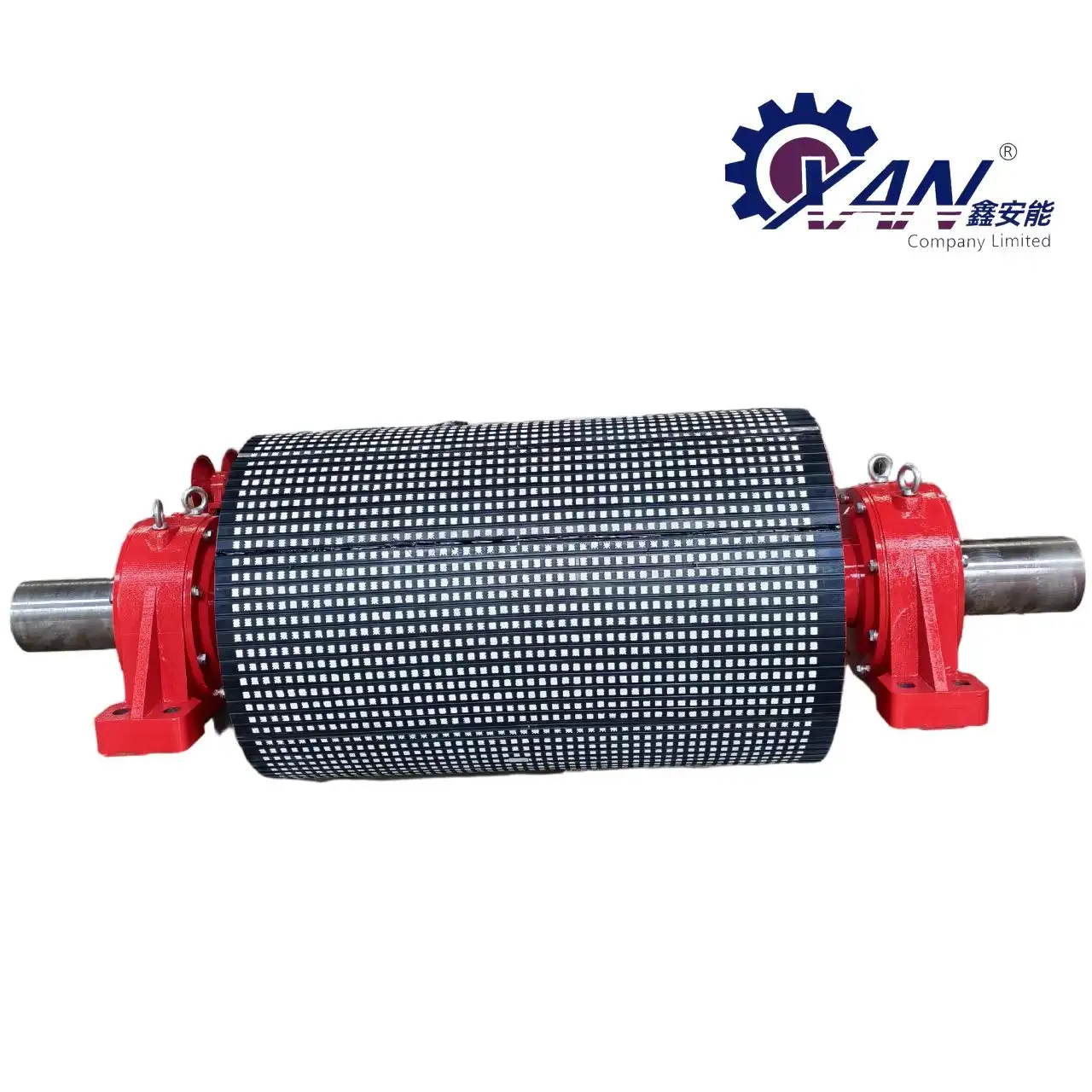
High Wear Condition 95 Alumina Ceramic Rubber Pulley
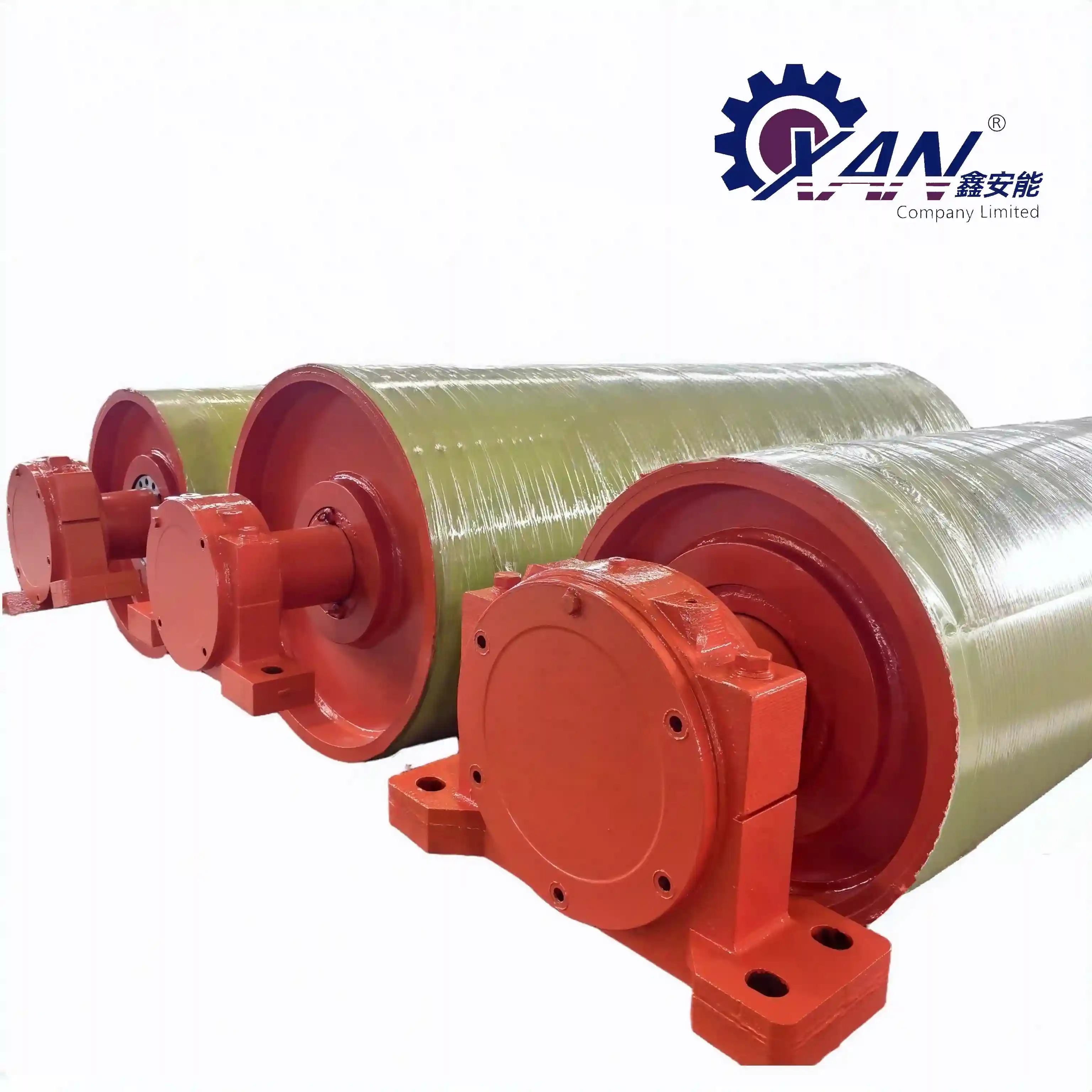
High-performance polyester for extreme corrosion protection environments Pulley
First, Ceramic Rubber Pulley is the "ultimate solution" for solving heavy load and slippage problems. Xinanneng Uses alumina ceramic blocks with a purity of up to 95%, embedded in a wear-resistant rubber substrate through cold vulcanization technology. The raised particles on the ceramic surface generate tremendous friction between the belt and Pulley, allowing them to grip the belt tightly even in extremely humid, rainy, or sticky material conditions, completely preventing slipping. Additionally, the extremely high hardness of ceramics typically results in a service life 3-5 times that of traditional rubber Pulley, significantly reducing long-term downtime maintenance costs.
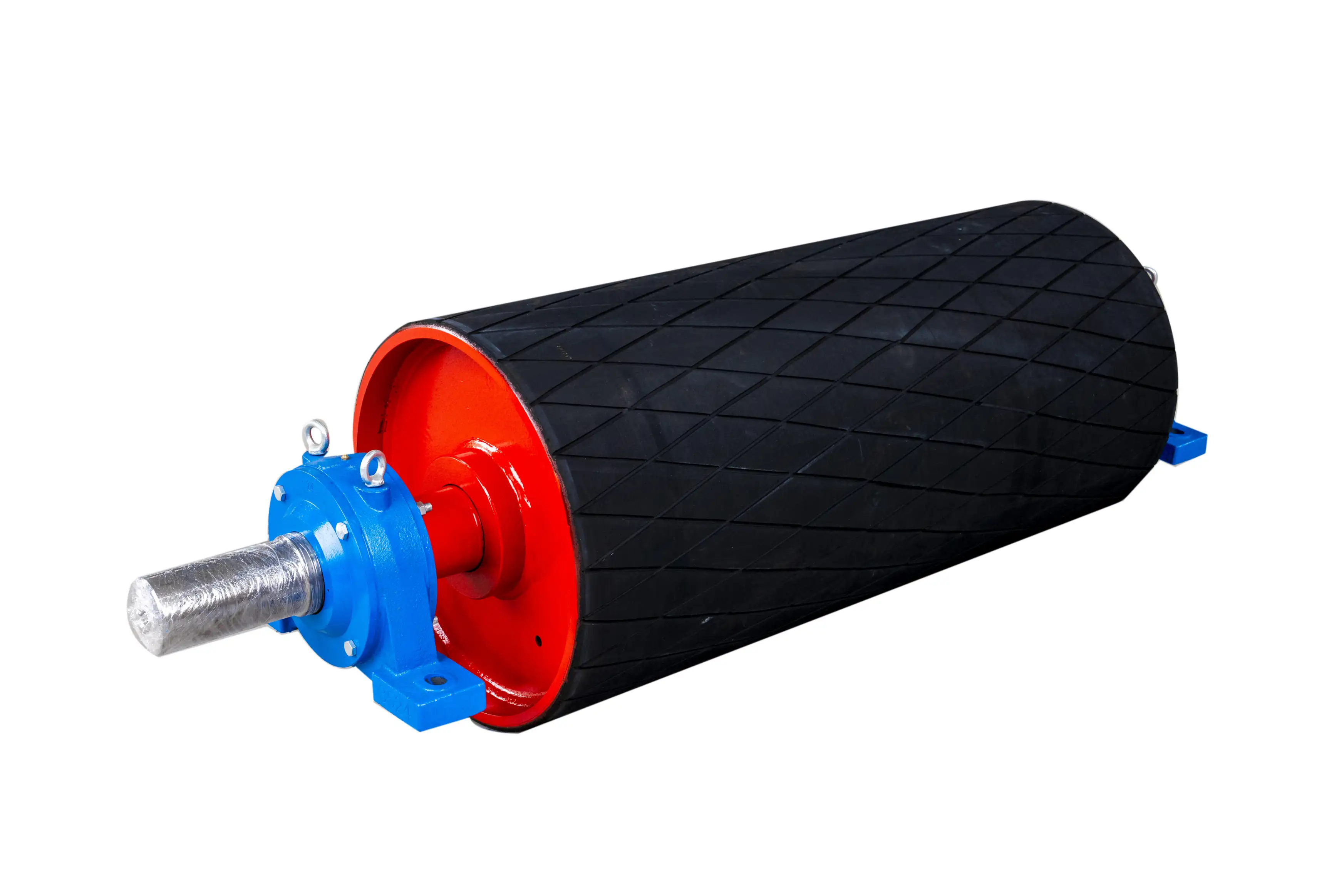
Heavy-duty drive Pulley structural display
For chemical, fertilizer plants, or coastal environments with high salt spray, high-performance polyester Pulley (Polyester Pulley) demonstrates outstanding defensive performance. Unlike traditional metals Pulley, which are prone to rust and chemical reactions, polyester has natural chemical inertness and strong acid and alkali resistance. Its surface is extremely smooth and self-lubricating, effectively preventing scaling on the Pulley surface, thereby avoiding belt deviation caused by uneven wear. For special working conditions that require ultimate corrosion protection, polyester Pulley is currently the best choice.
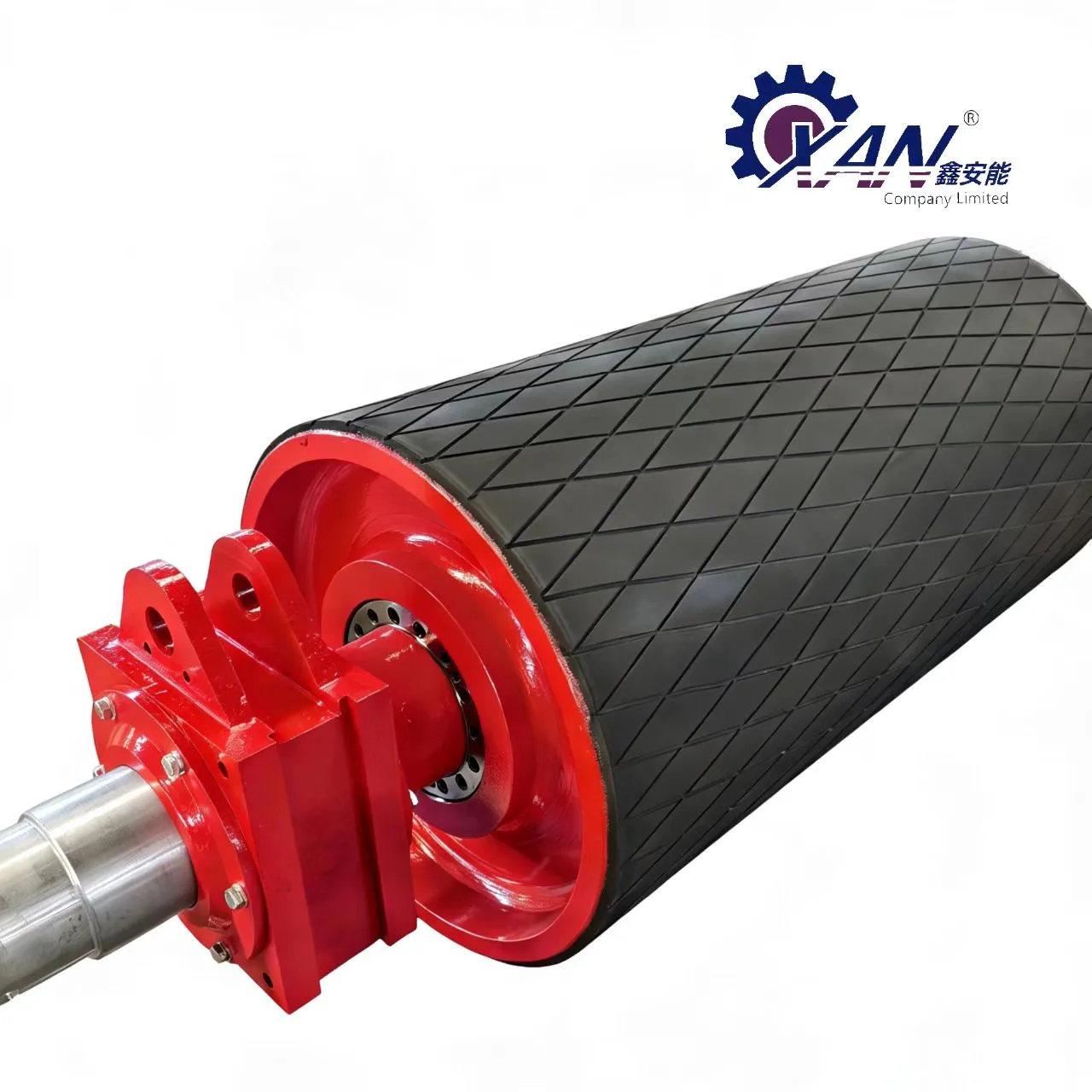
Details of the overmolding process for hot-vulcanized rubber
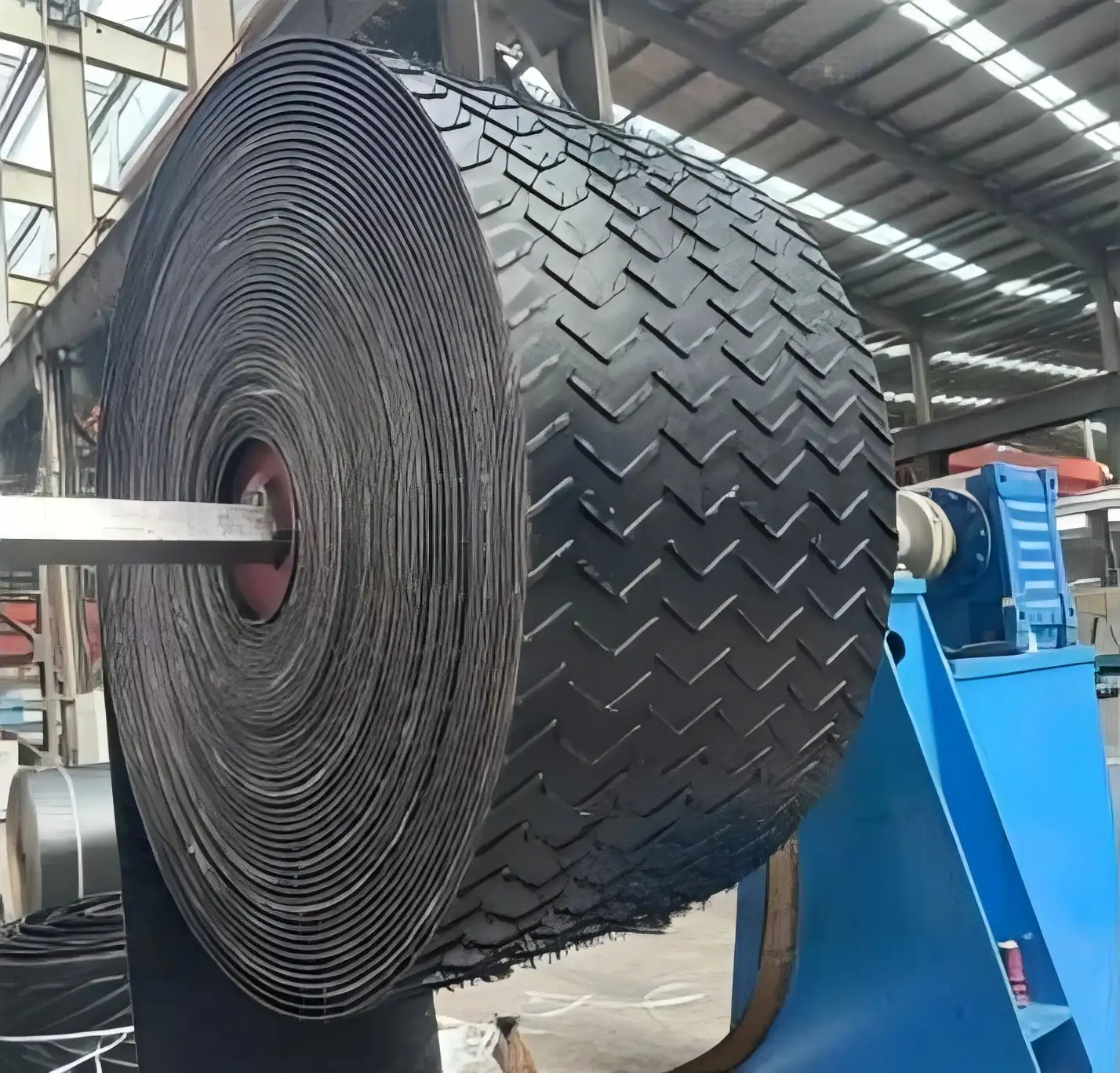
However, in conventional working conditions and scenarios seeking high cost-effectiveness, hot-vulcanized rubber overmolding remains the mainstream choice. By covering the surface of the Pulley body with high-quality natural or synthetic rubber and undergoing high-temperature, high-pressure vulcanization treatment, the rubber layer forms a very strong physical bond with the cylinder. Xinanneng offers various groove designs such as diamond and herringbone shapes, aiming to enhance [G93]'s drainage and mud removal capabilities and increase grip in contact areas. This solution is mature in technology and at a moderate cost, meeting the daily transportation needs of most mines and factories.
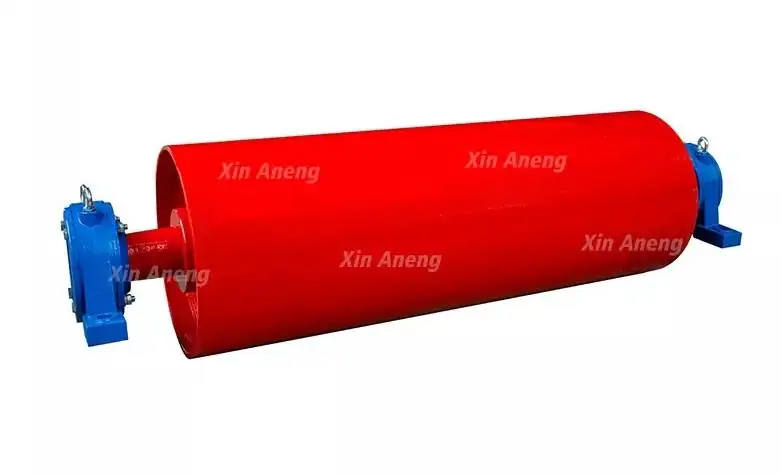
High-tension Turn About Pulley scheme
Besides the overmolding material, the structural design of Pulley should not be overlooked. Transmission Pulley must withstand enormous torque and radial pressure, so Xinanneng adopts a reinforced cylindrical structure and large-size self-aligning roller bearings. For changes in belt direction Turn About Pulley, the focus is on the fatigue strength of the shaft head and the rotational accuracy of the cylinder. Through advanced dynamic balance calibration, we ensure that the Pulley experiences minimal vibration at high speeds, thereby protecting the structural safety of the entire machine frame.
In summary, ceramic overmolding pursues "grip and longevity," polyester Pulley emphasizes "ultimate corrosion resistance," and rubber overmolding balances "performance and cost." Xinanneng possesses a full range of manufacturing capabilities, providing customized Pulley combination solutions based on your actual working conditions (such as belt speed, tension, material characteristics, and ambient temperature and humidity), helping the Conveyor system operate efficiently and long-term.
![Saying Goodbye to Belt Tearing: How the New Generation [[G85] Reshapes Safety Protection Standards for the [[G91] Machine Receiving Section](/static/picture/缓冲床.webp)